 Free worldwide shipping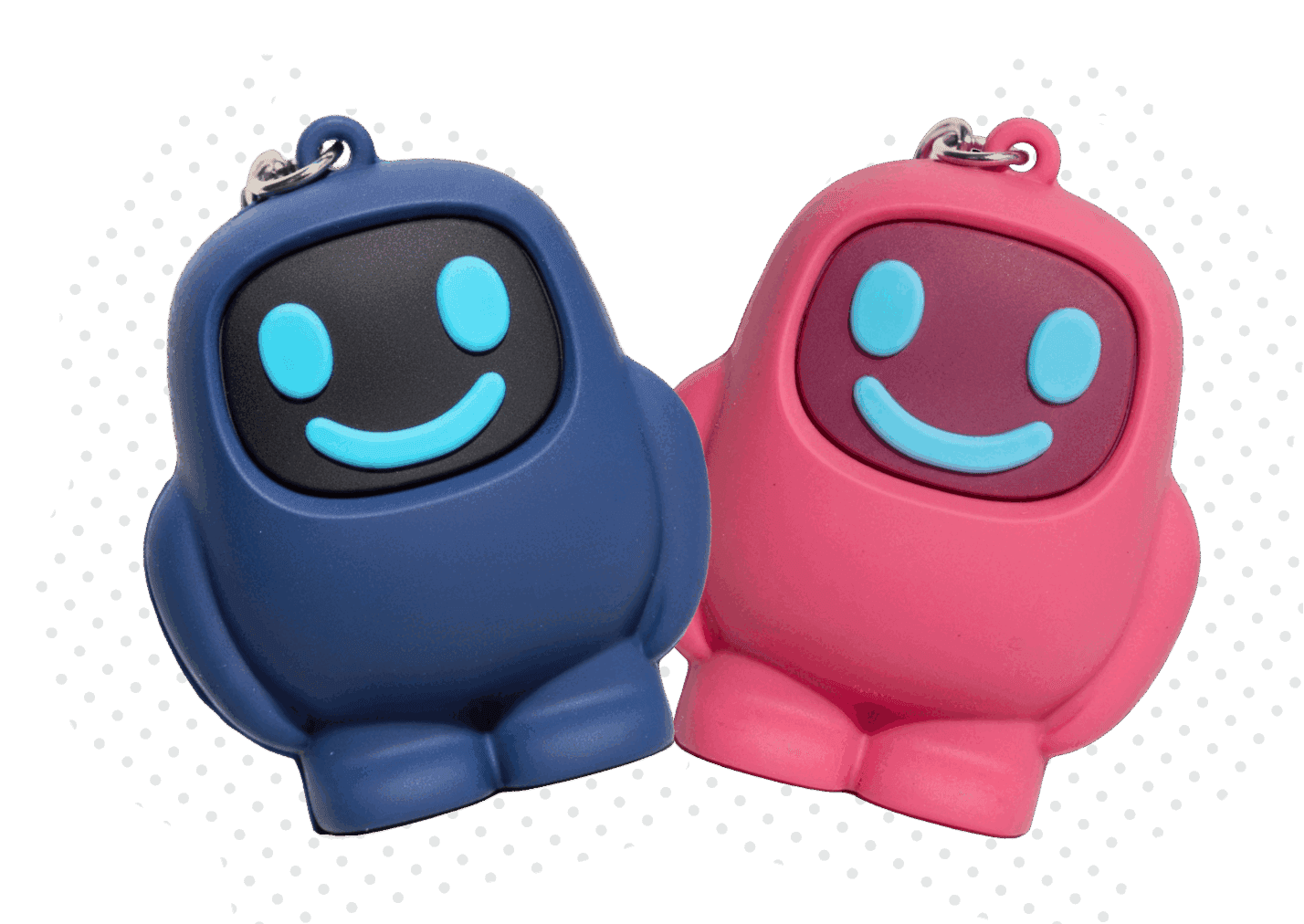
Blue Light Blocking: What the Science Actually Say and Why It Matters for Your Health

You've probably heard that blue light is bad for you. But most of what circulates online sits somewhere between oversimplified and outright wrong. The reality is more nuanced - and more interesting. Blue light exposure is a genuine physiological issue, but the solution isn't to throw your phone across the room. It's to understand what's actually happening in your body, and to manage it intelligently.
Here's what the science says.
What Is Blue Light and Where Does It Come From?
Blue light sits at the high-energy, short-wavelength end of the visible spectrum - roughly between 380 and 500 nanometers. The sun is the largest natural source, but LED screens emit blue light in concentrated doses, often at close range and during hours when natural light would have tapered off entirely. That's what makes screen exposure meaningfully different from sunlight. It's not just the wavelength. It's the timing.
How Blue Light Disrupts Sleep
Blue light suppresses melatonin - the hormone your brain releases to signal it's time to sleep. Specialized photoreceptors in the eye detect blue light and send signals to the brain's circadian clock, effectively telling your body it's still daytime. Melatonin secretion is delayed, sleep onset takes longer, and sleep quality drops.
A widely cited study in the Proceedings of the National Academy of Sciences found that participants who read on light-emitting devices before bed took longer to fall asleep, had reduced melatonin levels, less REM sleep, and felt more tired the following morning. The effects persisted into the following days.
For anyone spending time on screens in the evening (which is most of us): this isn't a marginal effect. It's a meaningful disruption to one of the most important biological processes your body runs.
If you want to go deeper, our post Is Your Phone Sabotaging Your Sleep? The Evening Routine for a Digital Reset covers exactly that.
Blue Light and Eye Strain
Digital eye strain affects an estimated 50 to 90 percent of people who work at screens regularly - dry eyes, blurred vision, headaches, difficulty focusing. Because short-wavelength light scatters more easily within the eye, it requires more effort to process. Blue-light-filtering settings (Night Shift on iOS, Night Light on Android, f.lux on desktop) reduce exposure meaningfully and are worth enabling, particularly in the second half of the day.
The Mood and Cognitive Connection
Chronic circadian disruption is associated with increased risk of depression and anxiety, elevated cortisol, and degraded attention, working memory, and emotional regulation. The effects are cumulative and often underestimated because people adapt to feeling moderately impaired.
The content you consume on screens at night isn't neutral either - social media and reactive content activate stress responses that further undermine sleep. We explored this in Screen Time and Stress: How Constant Scrolling Impacts Mental Health.
What Actually Works: Evidence-Based Strategies
Given the mechanisms above, here's what the research supports:
1. Reduce evening screen exposure. The two hours before bed are the most critical window. Melatonin secretion typically begins around 9–10 PM for most adults. Screen use during this window is directly interfering with that process.
2. Use blue light filters. Night mode settings on phones and computers shift the display toward warmer wavelengths. They're not perfect, but they measurably reduce blue light output. Enable them automatically after sunset.
3. Increase daytime light exposure. Getting bright natural light in the morning helps anchor your circadian rhythm and makes it more resilient to evening disruption. Time outside in the first hour of the day has a measurable effect on sleep quality at night.
4. Create physical separation from your phone. This is the intervention with arguably the strongest evidence - not because of blue light specifically, but because it addresses the behavioral loop that keeps people on screens later than they intend to be. When the phone is in another room, it doesn't emit blue light into your bedroom.
Where Scrolly Comes In
Understanding the problem is useful. Actually changing your behavior is harder.
Scrolly is a physical focus device designed to make screen separation the path of least resistance. You tap your phone to the Scrolly and your most disruptive apps are blocked. No social media, no news, no algorithm. The apps you actually need - Uber, mail or Google Maps stay accessible.
What makes Scrolly particularly relevant to evening blue light management is the scheduling feature. You can set your block to activate automatically at 9 PM every night, covering exactly the window when melatonin suppression is most damaging. No decision required. No willpower needed at the moment when you're most likely to pick up your phone anyway.
And if you do need a moment with your screen, Scrolly allows timed 5, 10, or 15-minute breaks rather than a full session exit. So one check-in doesn't turn into an hour of scrolling.
At $49 with free worldwide shipping. If evening screen habits are genuinely affecting your sleep, it's a practical place to start.
The Bottom Line
Blue light is a real physiological issue, not wellness marketing. The suppression of melatonin by evening screen use is one of the most well-documented mechanisms in sleep science, and the downstream effects on mood, cognition, and long-term health are significant.
The good news is that the interventions are straightforward: reduce screen exposure in the two hours before bed, use warm-light filters, get morning sunlight, and - if behavioral change is the hard part - use a tool that makes the right choice easier than the wrong one.
Your circadian rhythm evolved over millions of years. Your phone has been around for fifteen. Give your biology the advantage.