 Free worldwide shipping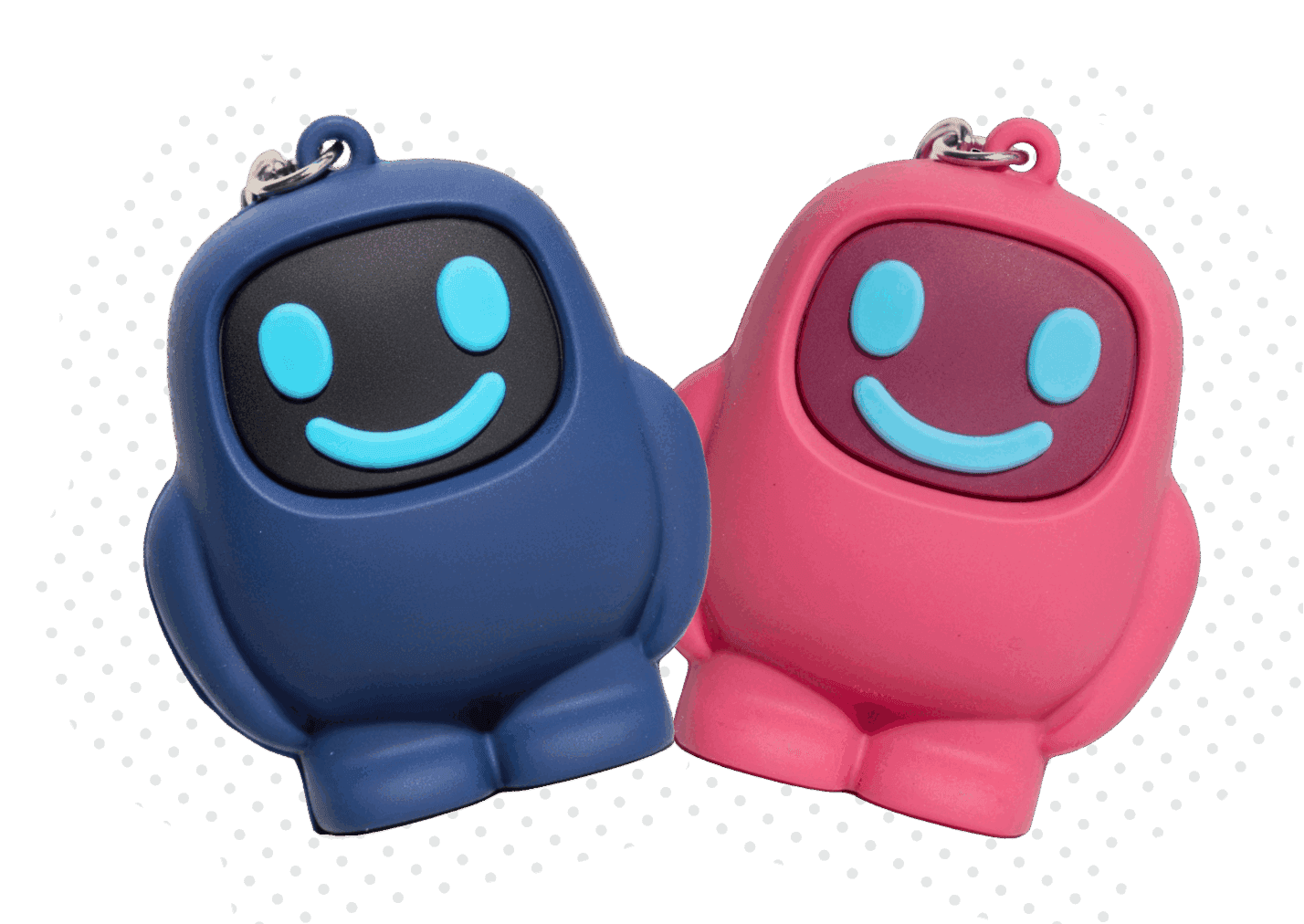
Brick Alternatives: Smarter Ways to Reduce Phone Addiction

Phone addiction is a growing problem in a world built around constant notifications, infinite feeds, and instant gratification. As awareness increases, more tools are emerging to help people regain control over their screen time.
Solutions like Brick or Scrolly have shown that reducing phone addiction isn't just about willpower - it's about changing the environment around our habits. Alongside them, there are several other approaches worth considering, each tackling the problem from a slightly different angle.
Software-based app blockers
Many people begin with app blockers or screen time limits built into their phones. These tools can be useful for setting boundaries, but because they're entirely digital, they're often easy to override or disable when motivation drops or temptation strikes.
Mindfulness and habit tracking
Mindfulness practices, digital detox challenges, and habit-tracking apps focus on awareness and self-regulation. While effective for some, they rely heavily on self-discipline - which tends to be weakest during moments of stress, boredom, or mental fatigue.
Physical solutions
This is where tools like Brick and Scrolly - and other physical devices - introduce a powerful shift.
Physical solutions add something most digital tools lack: friction. By requiring a tangible, real-world action before accessing distracting apps, they interrupt automatic behavior and help users act more intentionally.
Research on habit formation shows that even small physical barriers can significantly reduce impulsive actions by forcing a moment of awareness between urge and behavior.
A closer look at Scrolly
Brick follows the same core principle as Scrolly - using physical interaction to reduce compulsive phone use - but with a few meaningful differences that make it stand out.
- Gamification: your device actually feels something: This is where Scrolly takes a completely different approach to Brick. Every Deep Focus session charges your Scrolly's energy bar. Stay consistent, and it stays happy and energized. Neglect it, and it loses energy - and gets visibly sad. That emotional feedback loop adds a layer of daily motivation that pure friction tools simply don't have. It's not just about blocking apps; it's about building a relationship with your focus habits.
- Better Android support Android phones come in hundreds of configurations - custom launchers, manufacturer overlays, unique notification systems. Scrolly is built to handle this complexity across the full Android ecosystem. If you've struggled with competitors that "mostly work" on Android, Scrolly was specifically designed to solve that.
- Spotify-style analytics Both Brick and Scrolly track your usage, but Scrolly's reporting goes further - wrapping your screen time data into visual, motivating reports similar to Spotify Wrapped. Instead of a plain dashboard, you get insights that celebrate progress and keep you engaged with improving over time.
- Free worldwide shipping Brick charges for international shipping. Scrolly ships worldwide for free (and we’re not going to change it)
Choosing the right tool
Both Brick and Scrolly belong to a growing category of physical attention tools designed to work with human psychology rather than against it. If you want straightforward physical friction, both deliver. But if you're looking for something that also motivates, rewards consistency, works reliably on Android, and ships to you anywhere in the world - Scrolly goes a step further.
What matters most is adopting a system that doesn't rely solely on willpower - but supports better habits through thoughtful design.
Ready to try Scrolly? A physical tool designed to help you block distracting apps, build focus habits, and actually enjoy the process. 👉 scrollyapp.io