 Free worldwide shipping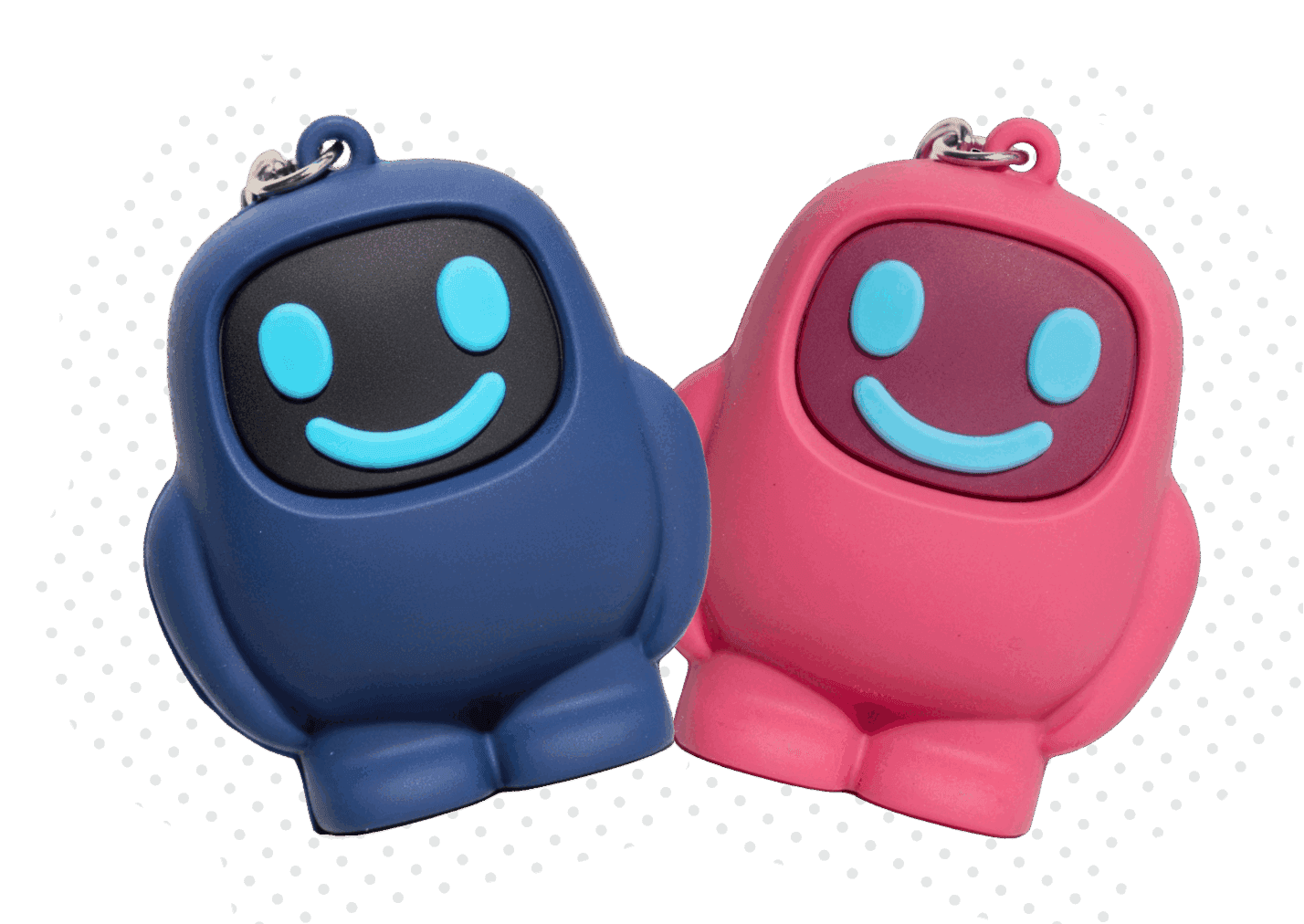
Brick Review: good, but this alternative is better and $10 cheaper

If you've been struggling with phone addiction and stumbled across Brick, you're not alone. The little cube has become one of the most talked-about focus tools on the market - and for good reason. It works. But is it the best option available now on the market? And is it really worth $59?
What Is Brick and How Does It Work?
Brick is a physical device - a small wooden cube - that pairs with your smartphone. The core idea is simple: tap your phone against the Brick, and it blocks your most distracting apps. Want to unlock them? You need to tap the Brick again. Because it's a physical object you can leave in another room, it creates real friction between you and your bad habits.
It's a genuinely clever concept, and it does solve a real problem. Willpower alone rarely works against apps designed by teams of engineers to keep you scrolling.
But there is also Scrolly...
Both Brick and Scrolly are built around the same core philosophy - and both do the fundamentals well.
1. App blocking with intentional exceptions. Both tools let you block distracting apps (Instagram, TikTok, YT) while keeping the apps you actually need accessible - Spotify, Google Maps or Uber. You don’t need to get a dump phone; you're just removing the temptation loop.
2. Flexible schedules. Both let you set up recurring block schedules so your focus mode activates automatically. Want your phone locked down every weekday morning from 8 to 12? Set it once and forget it. This is huge, because the hardest part of building focus habits is remembering to start them.
3. Device-required unlocking. Both tools require the physical device to exit focus mode. This is the real mechanic that makes them work. You can't just tap a "disable" button when your willpower dips - you need the physical object. But starting a focus session without the device? That's supported too. You can kick off a session anywhere by just tapping Brick or Scrolly animation in the app. It’s the breaking of the session that needs the hardware.
Where Scrolly Does Things Differently - and Better
This is where the two products genuinely diverge. Scrolly isn't just a Brick clone with a different shape. It has features that address real limitations of the Brick experience.
1. Flexible exits from focus mode. Life happens. Sometimes you genuinely need to check Instagram for work, or an urgent situation comes up mid-session. Brick's approach is binary: you're either in focus mode or you're not, and getting out requires the cube.
Scrolly handles this more gracefully. You can step out of focus mode for 5, 10, or 15 minutes - a deliberate, timed break - without fully abandoning your session. It's the difference between "I need to pause" and "I've given up for the day." This small feature makes Scrolly far more practical for real-world use.
2. A global focus ranking. Motivation is social. Scrolly has a community-wide ranking that shows how your focus time stacks up against every other Scrolly user. It sounds simple, but it taps into something powerful: when you can see that other people are putting in hours of focused work, it's a lot harder to quit early. This feature alone has kept thousands of users more consistent than they'd otherwise be.
3. Focus Coins and a rewards system. Scrolly turns your focus time into a currency. Accumulate Focus Coins during your sessions and spend them on exclusive clothing and digital items for your Scrolly. It sounds like a small thing, but gamification works. Who wouldn't want to earn a cute summer cap for their Scrolly? Just a few hours off Instagram and it's yours.
4. Mac and iPad support. Brick works with your iPhone. That's it. But your phone isn't the only screen stealing your attention - your laptop and tablet are just as guilty, often more so. Scrolly blocks distractions across Mac and iPad too, meaning your focus environment actually covers your whole setup. For anyone who works at a desk, this is not a nice-to-have. It's essential.
5. A better keychain design
This is practical and worth mentioning. Brick is a small cube — it's a nice object, but it's not designed to live on your keychain. Scrolly comes with a magnetic keychain attachment that's slim, secure, and built to travel with you. It stays in your pocket or on your bag without bulk. You're less likely to leave it at home, which means focus mode is actually available when you need it.
6. Better Android experience
Brick was built with iPhone in mind. Android support exists but is noticeably weaker — some features don't work the same way, the UX is rougher, and app blocking is less reliable across Android's fragmented ecosystem.
Scrolly has invested meaningfully in Android performance. If you're not on iOS, this matters a lot.
7. The price. Brick retails at $59. Scrolly is $49. $10 less - and includes free worldwide shipping. When the cheaper option also has more features and broader device support, the value case becomes pretty clear.
Brick vs. Scrolly: Quick Comparison

So, Is Brick Worth It?
Brick is a solid product. If you've never used a physical focus tool before, it will genuinely help you reduce screen time. I love their aesthetic design. The idea is sound, the build quality is good, and the basic mechanics work. But "it works" is a low bar when there's a better-designed, better-priced alternative with a leaderboard, a reward system, Mac and iPad support, and a smarter keychain form factor.
For most people - especially those who work across multiple devices, or who want more structure and motivation built into their focus routine - Scrolly is the more complete solution.
And at $49 with free global shipping, it's also just a better deal.
Looking at the Bigger Picture
If you're still exploring your options and want to see how Brick, Scrolly, and other popular tools like Unpluq, Opal, and Bloom compare side by side, we've put together a full breakdown: Scrolly vs Brick, Unpluq, Opal & Bloom: Smarter Alternatives to Reduce Phone Addiction.
It's the most thorough comparison of physical and software-based focus tools available right now - worth a read before you buy anything.
The Bottom Line
Brick is good. Scrolly is better. If cutting your screen time is a genuine priority - not just a new year resolution - invest in a tool that's built for the long haul, covers all your screens, and gives you real reasons to keep going.