 Free worldwide shipping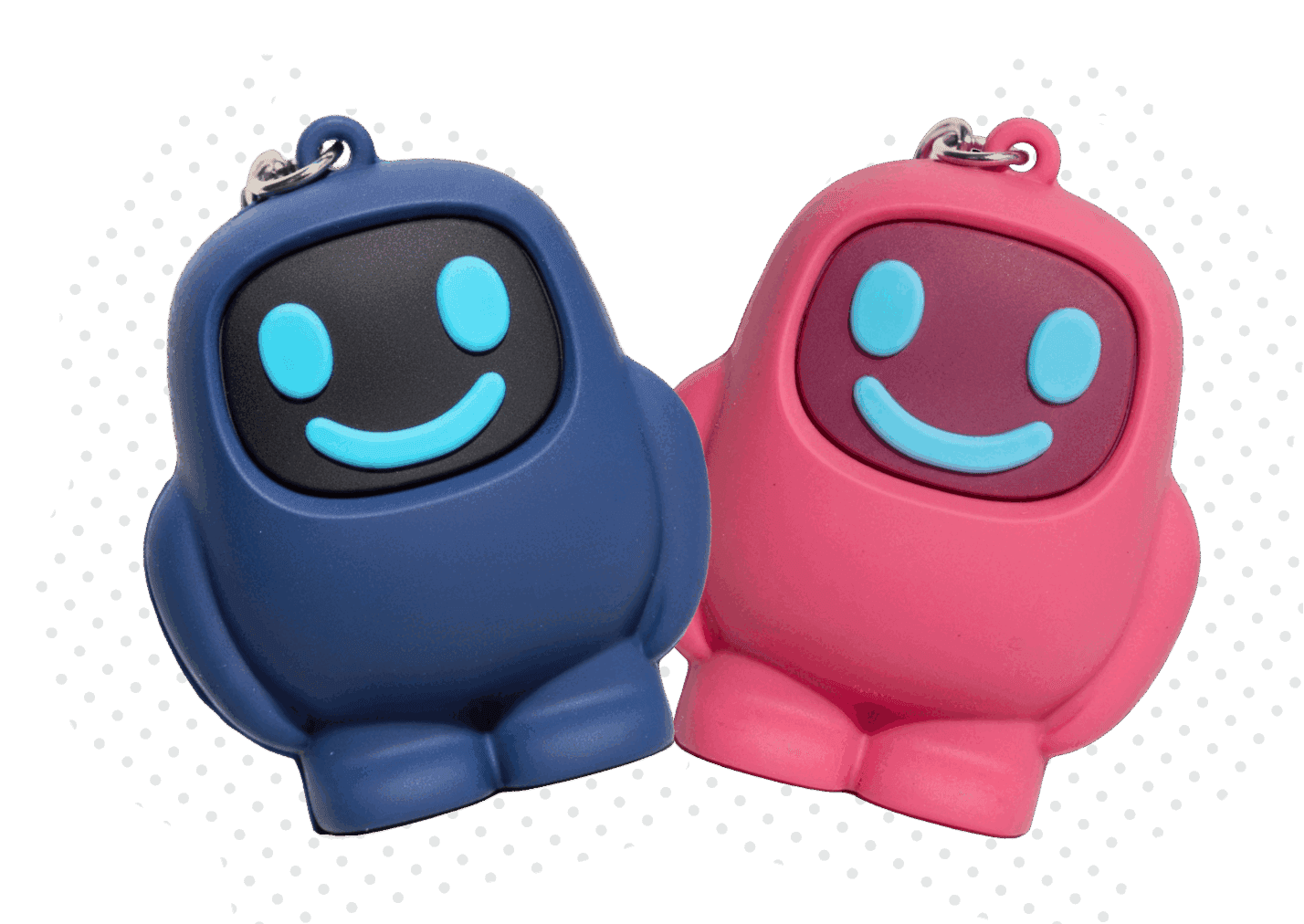
Parental Controls vs. Scrolly: Which One Actually Helps Your Child Build Healthier Phone Habits?

Parental Controls vs. Scrolly: Which One Actually Helps Your Child Build Healthier Phone Habits?
If you're a parent worried about how much time your child spends on their phone, you've probably already explored parental controls. Built-in tools like Apple Screen Time or Google Family Link promise to put you in charge - and they do, to a point. But more and more parents are discovering that control alone doesn't teach kids how to manage their own attention.
That's where the conversation gets interesting.
What parental controls do well
Parental controls are powerful tools for younger children. They let you:
- Set daily time limits on specific apps
- Block inappropriate content entirely
- Schedule device-free times like bedtime or homework hours
- Monitor usage and get weekly reports
- Approve or decline app downloads
For children under 10, this level of oversight makes sense. They're not yet developmentally ready to self-regulate screen time, and having a parent manage boundaries is entirely appropriate.
Where parental controls fall short
The problem emerges as children grow older - particularly in the teenage years. And it's not just a technical problem. It's a psychological one.
Most teenagers know exactly how to work around parental controls. A few taps in settings, a YouTube tutorial, a friend's advice - and the limits you carefully set are gone. But even when the controls hold, they create a different issue: your child never learns to manage their own impulses.
Parental controls answer the question "how do I stop my child from using their phone too much?" But they don't answer the more important question: "how does my child learn to stop themselves?"
That distinction matters enormously as they approach adulthood.
The case for teaching self-regulation
Research in adolescent psychology consistently shows that teenagers develop better long-term habits when they're involved in setting boundaries rather than having them imposed. Heavy-handed restrictions often backfire - leading to secretive phone use, resentment, and a complete collapse of healthy habits the moment the controls are removed.
What works better is building awareness, friction, and intrinsic motivation around phone use. Teaching a teenager to notice the urge to scroll - and consciously decide whether to act on it - is a skill that lasts a lifetime.
This is exactly the gap that tools like Scrolly are designed to fill.
Meet Scrolly
Scrolly is a fun physical device - connected to an app - that helps people block distracting apps like Instagram or TikTok with a single tap. To unblock them, you simply tap again, adding a small moment of friction and mindfulness before diving back in.
It's simple, but surprisingly effective.
The beauty of Scrolly is that it physically forces you to acknowledge the decision. That single tap - the moment of friction - is the physical equivalent of the 5-Second Rule: stopping your brain's autopilot before it can sabotage your intentions.
Unlike parental controls, Scrolly doesn't lock your teenager out. It doesn't create a power struggle between parent and child. Instead, it puts the choice back in their hands - with just enough resistance to make that choice conscious rather than automatic.
For teenagers who are starting to push back against parental controls, Scrolly can be a meaningful next step: a tool they feel ownership over, rather than one imposed on them.
There’s no perfect substitute for Scrolly (read more HERE)
The honest answer: it's not either/or
For families with children of different ages, the answer is probably both - parental controls for younger kids, and a gradual transition to tools like Scrolly as teenagers grow into more independence. The goal isn't permanent restriction. It's raising kids who know how to manage their own attention in a world designed to steal it.
Parental controls keep the guardrails on. Scrolly teaches kids how to drive.
Ready to give your teenager a tool that builds real habits?
Get your own physical Scrolly - it works seamlessly with the app to help block distracting apps and build mindful phone habits from the inside out 👉 scrollyapp.io